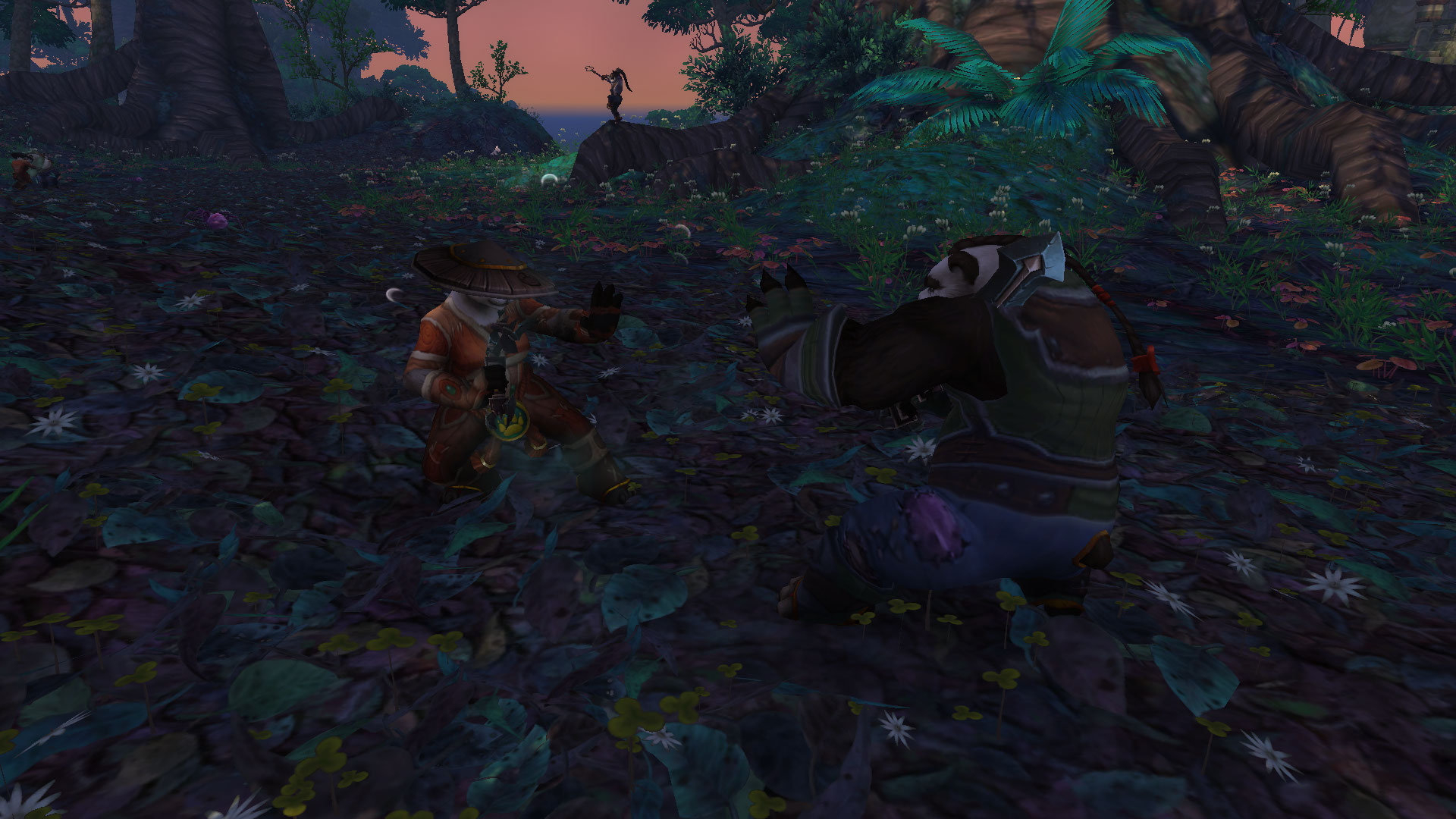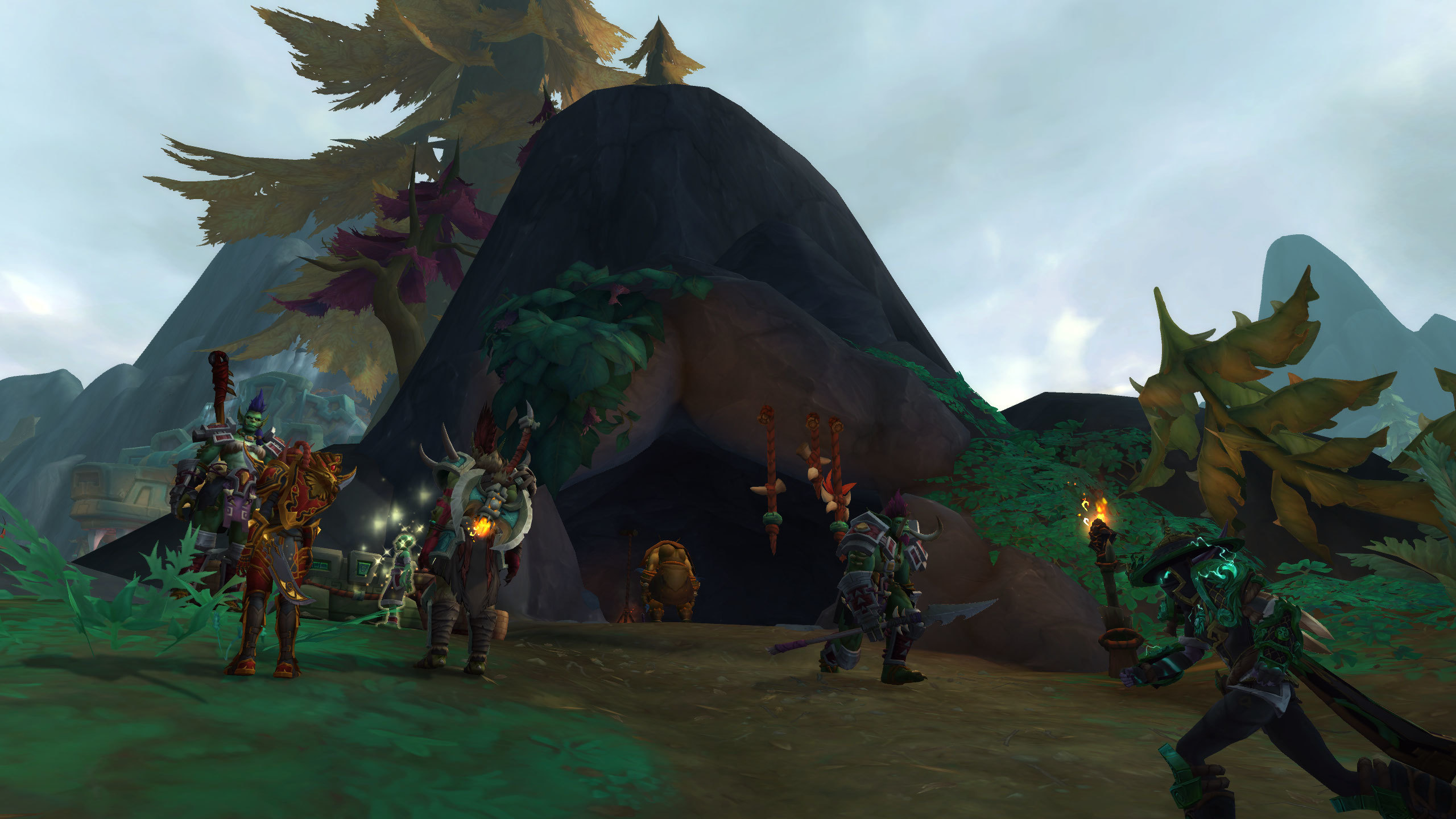

Role-play (RP) in World of Warcraft (WoW) is a deeply immersive and collaborative experience, built on shared storytelling and creative interaction. At its heart, successful RP relies on mutual respect, understanding, and the establishment of clear consent and boundaries. Without these crucial elements, what should be a fun and engaging scene can quickly become uncomfortable, frustrating, or even lead to real-world distress. Ensuring every participant feels safe, respected, and heard is paramount to fostering a healthy and enjoyable RP community. This guide delves into the vital concepts of RP consent and boundaries, offering practical strategies for communication, negotiation, and setting clear expectations, empowering players to create engaging, fun, and respectful scenes where everyone can thrive and truly enjoy the collaborative magic of role-play.
The Foundation: Understanding Consent in RP
In RP, consent is the explicit, voluntary agreement of all participants to engage in a particular scene, action, or type of content. It’s not just about “yes or no”; it’s an ongoing dialogue. RP is often spontaneous, but for anything that could be intense, sensitive, or have lasting consequences for a character, consent must be proactive and clearly communicated.
Crucially, “no” means no. And “maybe,” “I don’t know,” or silence also effectively mean no. Players have the right to decline any RP, at any time, for any reason, without having to explain themselves. Respecting this fundamental right is the cornerstone of a healthy RP environment, ensuring that character interactions remain within comfortable limits for all involved.

“Lines” and “Veils”: Establishing Boundaries
Boundaries in RP are about defining what you are and are not comfortable with, both for your character and for yourself as a player. Two common terms are used:
- “Lines”: These are hard limits, content you absolutely will *not* engage with, even indirectly. Crossing a line will typically result in the player disengaging from the scene immediately. (e.g., No non-consensual violence, no extreme gore, no sexual content).
- “Veils”: These are soft limits, content you are okay with implying or fading to black, but not explicitly describing. (e.g., Violence can happen, but not detailed descriptions of torture; romantic scenes can happen, but fade-to-black before intimate details).
Before engaging in potentially sensitive RP, it’s good practice to establish these for yourself and communicate them when necessary. Being clear about your boundaries protects both your enjoyment and the comfort of others, preventing accidental discomfort or crossing of personal limits.

OOC Tools: Communicating Effectively
Since RP is primarily in-character (IC), having effective out-of-character (OOC) communication tools is crucial for discussing consent and boundaries. These include:
- /w (Whisper): The most direct way to privately check in with another player. “OOC: Just wanted to check, is your character okay with physical conflict here?”
- OOC Parentheses: (Like this) allows you to interject OOC statements directly into IC chat without breaking immersion too severely. Used for quick clarifications or checks.
- Discord/Guild Chat: For more in-depth discussions before a planned RP session, or if things get intense.
Using these tools proactively and respectfully ensures that player needs are met without derailing the IC narrative. It’s about establishing trust and clear communication channels to enhance, not hinder, the RP experience.

Negotiation and Flexibility: The Collaborative Dance
Consent and boundaries aren’t rigid walls; they’re the framework for negotiation. If one player suggests an action that borders on another’s “veil” or “line,” the respectful response is to negotiate:
- “OOC: My character isn’t comfortable with severe injury, but a scuffle that leaves them bruised is fine.”
- “OOC: Could we fade to black on that romantic scene and pick up after?”
This collaborative approach ensures that everyone’s comfort levels are respected while still allowing the story to progress creatively. It’s about finding common ground and working together to build a compelling narrative that everyone can enjoy without feeling pushed or uncomfortable.
The Right to Disengage: Safety First
Perhaps the most important aspect of RP consent is the understanding that *any player has the right to disengage from any RP scene at any time, for any reason, without needing to explain themselves.* If a scene becomes uncomfortable, if boundaries are unknowingly crossed, or if real-life stress makes engaging difficult, a player can simply leave.
There should be no shame or pressure associated with disengaging. Respecting this right fosters a truly safe and empowering RP environment. It ensures that the player’s well-being always takes precedence over the continuation of a virtual scene, reinforcing that fun and comfort are paramount.
Building a Respectful and Vibrant RP Community
RP consent and boundaries are not restrictive; they are liberating. By establishing clear communication, mutual respect, and a proactive approach to comfort levels, players can engage in richer, more dynamic, and ultimately more enjoyable scenes. It transforms the potential for awkwardness into an opportunity for deeper collaborative storytelling.
Embrace these principles, be clear about your own limits, and always respect the limits of others. In doing so, you contribute to a thriving, empathetic, and truly fun RP community in Azeroth, where every story is a shared adventure, built on a foundation of trust and mutual understanding.