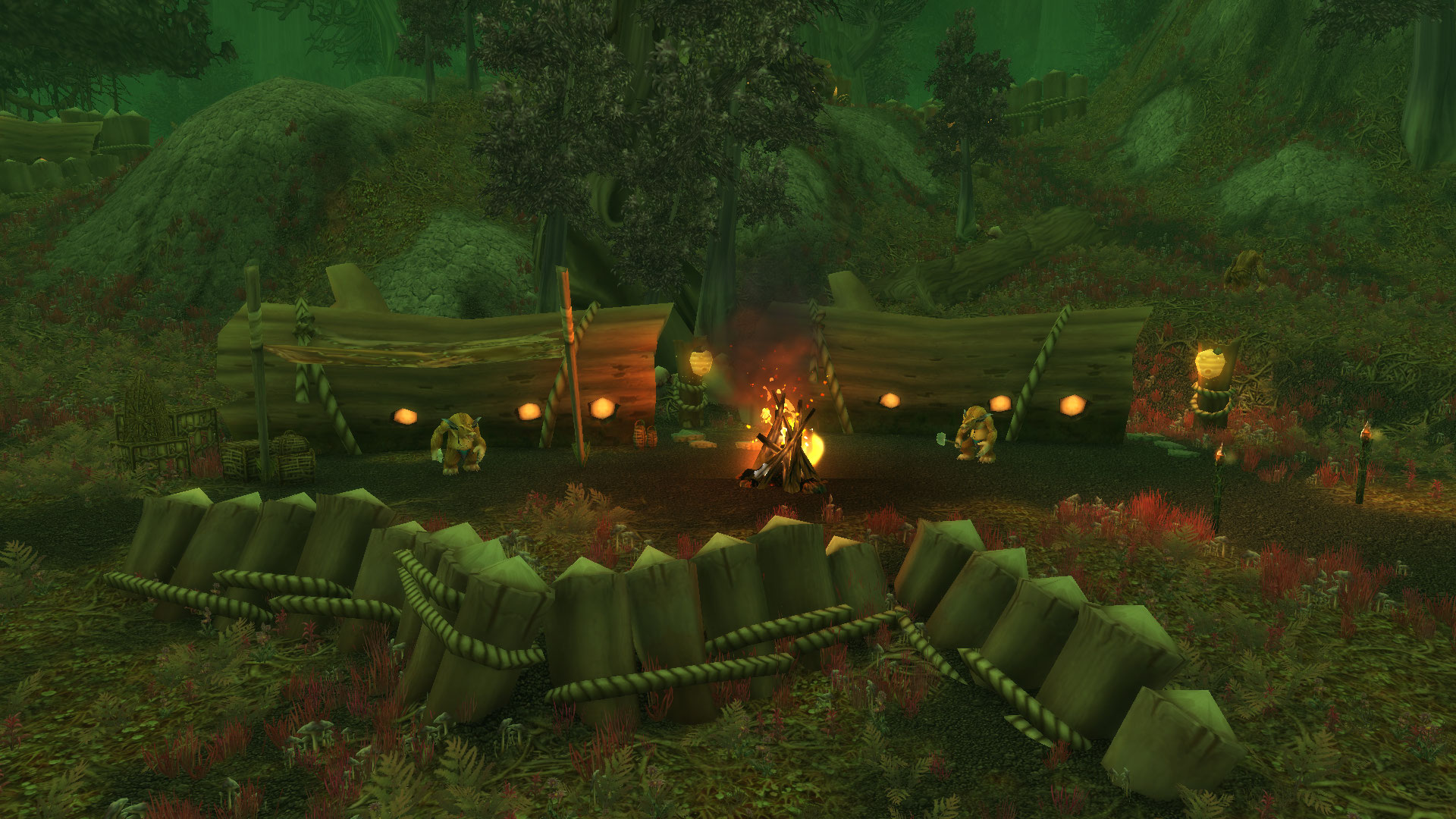

Few Vanilla zones tell their story through gathering the way Felwood does. The forest is sick, its plants are twisted, and part of the experience is finding them and cleansing what you can. This guide describes how the corrupted plants work as lore and as gameplay, how they affect your route, what steps to take when gathering, how to use the cleansing tool well, the challenges you will meet and what might change in the future.
What are the key features of the plants and the cleansing mechanic?
The corrupted plants carry the zone’s story, while cleansing turns gathering into an interactive task.
Felwood is full of twisted vegetation that is both an obstacle and a resource. Some plants are needed for quests, others provide materials, and all of them reflect the corruption spreading through the land. A cleansing whistle lets players purify the plants, which adds an interactive step to what would otherwise be simple collecting. The table lists examples of the plants, their quest relevance, what they yield and how they are cleansed.
| Plant | Quest relevance | Yield | Method |
|---|---|---|---|
| Withered Green | The Corruption of the Forest | 1-3 Essence of Corruption | Cleansing whistle |
| Corrupted Flower | A New Beginning | 1-2 Corrupted Petals | Cleansing whistle |
| Withered Root | The Roots of Corruption | 1-4 Withered Essence | Cleansing whistle |
How do the plants affect play?
They create risk and reward, because valuable plants grow where the corruption is thickest.
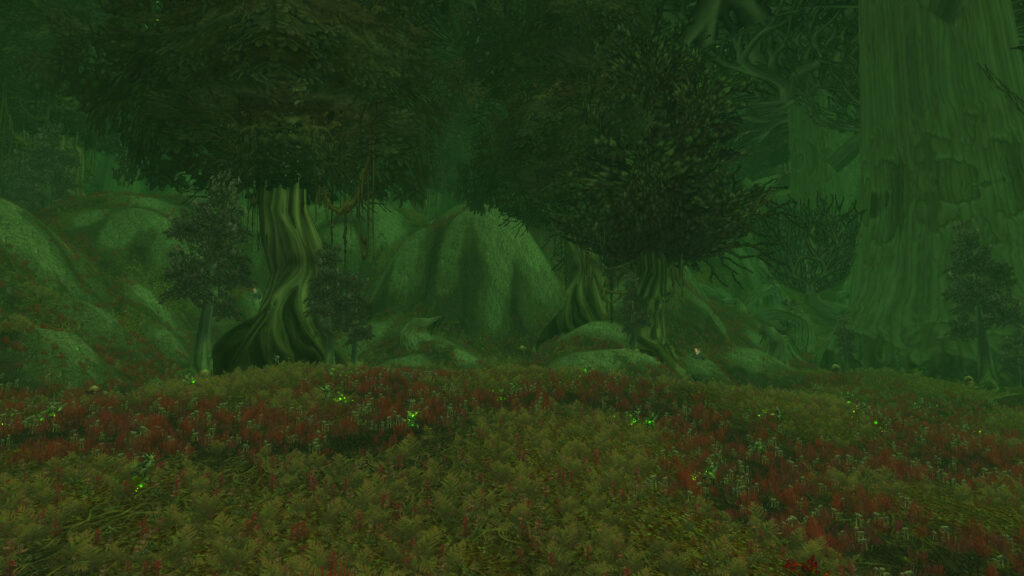
Corrupted flora often stands in areas that are heavily infested, which can limit visibility and movement. Hostile creatures guard many of these places, so gathering requires preparation. The balance of risk and reward gives the zone its character: the better materials are in the places you would rather avoid.
The story is built in as well. Quests such as “The Corruption of the Forest” ask you to collect the plants while showing how the land has declined. The plants themselves look twisted and unhealthy, which reinforces the theme of decay. By the time you finish a gathering run, you have learned something about the history of the forest.

What steps make gathering effective?
Prepare your supplies, learn where the plants are and cleanse them methodically.
Before entering, stock health and mana potions and make sure you have enough cleansing whistles. Study the map to find the places where corrupted plants cluster, and note respawn times to plan your route. Then work through the plants one by one, clearing enemies first and using the whistle when you are safe.
- Scout plant locations and note respawn times.
- Bring potions and whistles.
- Cleanse the plants in a planned sequence.
- Finish the related quests for extra experience and rewards.

How do you use the cleansing whistle well?
Time it carefully, check your surroundings and clear the area first.
The animation leaves you vulnerable, so do not use the whistle while enemies are attacking you. Avoid dense groups of creatures and clear them before you begin. Working with another player helps a lot: one person guards while the other cleanses, and together you can chain several plants without interruption.
What challenges do players meet?
Aggressive creatures, harmful effects from the environment and a limited supply of whistles.
Guardians of the plants can overwhelm unprepared players, and the corrupted environment may reduce health regeneration. Running out of whistles can slow the whole process, so prioritize quests that give more and consider crafting or buying extras. Be ready to retreat when a situation gets out of hand.
What might change in the future?
New gathering systems and deeper stories could change the zone.
Future updates may link gathering more closely to environmental storytelling, perhaps with plants that react to what you do. Better creature behavior or new crafting uses for materials could change how you gather. Staying informed about patches and community discussion will help you adapt.