
In the vibrant world of role-play (RP) in World of Warcraft (WoW), dialogue is the lifeblood of character interaction. While what you say is important, *how* your character speaks can profoundly influence their perceived personality, background, and overall distinctiveness. Incorporating an accent or unique speech tic can add incredible flavor, but it’s a delicate art. Overdoing it can make dialogue difficult to read and even annoying, while a subtle touch can elevate your character from generic adventurer to memorable individual. This guide explores the effective use of accent and speech tics in WoW RP, offering practical advice on how to make your character’s dialogue distinct and immersive without becoming a hindrance, ensuring your words resonate with personality and charm rather than confusion or frustration.
The Golden Rule: Subtlety is Key
The most important principle when adding accent or speech tics is subtlety. In text-based RP, it’s easy for heavy phonetic spelling or constant repetition of a tic to become a chore for the reader. Aim for hints and suggestions rather than full phonetic transcription. Your goal is to evoke the *feel* of an accent, not to write it out phonetically.
Instead of “Aye, I be a dwarf, I be,” try “Aye, I’m a dwarf,” or “I’m a dwarf, I am.” The subtle ‘aye’ or the inverted sentence structure hints at the accent without making it difficult to read. Less is often more; a little goes a long way in making your character’s voice distinctive without causing fatigue for those you’re interacting with.
Accent Emulation: Focus on Common Tropes and Word Choice
To evoke an accent, focus on common speech patterns and word choices associated with that accent, rather than trying to phonetically spell every word:
- Dwarven: Use “Aye,” “lad/lass,” “ye,” “ye’re.” Short, gruff sentences. (e.g., “Aye, that be a fine ale, lad.”)
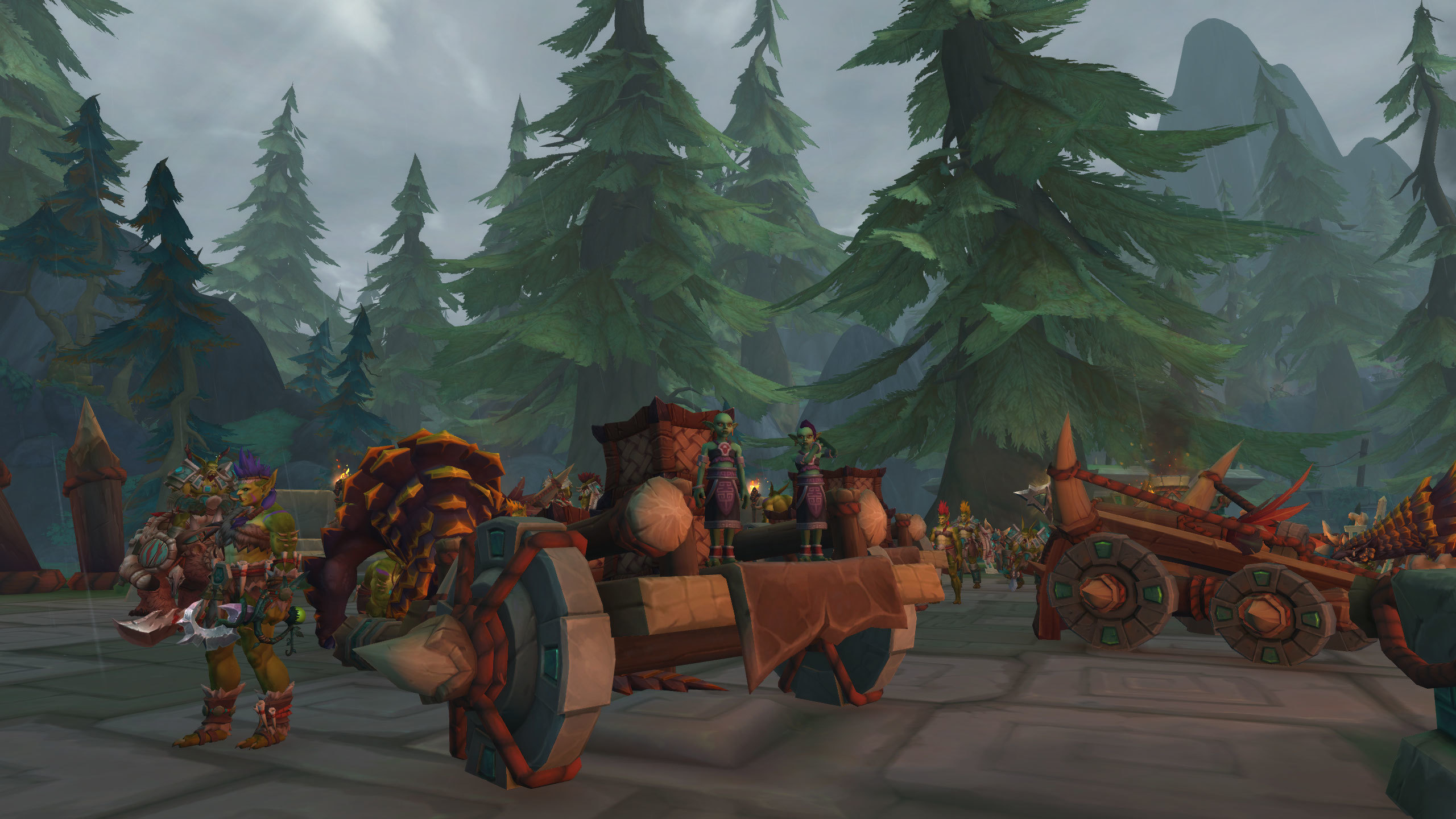
- Goblin: Emphasize profit, deals, explosions. Slightly greedy, fast-talking tone. (e.g., “Time is money, friend! Let’s make a deal.”)
- Troll: Use “mon,” “ya,” “dat.” Slightly broken English, often inverted sentences. (e.g., “Ya want somethin’, mon?”)
- Highborne/Blood Elf: Elegant, formal, slightly archaic words. Perhaps a touch of disdain. (e.g., “Indeed,” “My dear,” “One does not simply…”)
- Orcish: Direct, simple, forceful words. (e.g., “Lok’tar! We fight!”).
By using these common linguistic cues, you create an instant mental connection to the accent without cluttering the text. It allows the reader’s imagination to fill in the rest, making the dialogue flow naturally while retaining its unique flavor.
| Speech Element | Effective Use Strategy | Example (Instead of…) | Impact on Reader |
|---|---|---|---|
| Accents | Subtle word choice, common phrases, light grammar shifts. | “Aye, I’m a dwarf, I am.” (Not: “Ai, oi be a dwoif, oi be.”) | Evokes accent without hindering readability. |
| Speech Tics (Verbal) | Infrequent, tied to emotion/emphasis, relevant to character. | “Hmm, intriguing.” (Not: “Hmmmm…intriguing, yes…hmm?”) | Adds character nuance without being distracting. |
| Speech Tics (Physical/RP Emote) | Emote small physical actions related to speech. | /emote fidgets with their axe handle as they speak. | Enriches character, less intrusive than text tics. |
| Sentence Structure | Slightly inverted or truncated sentences for specific races. | “Ya want something, mon?” (For Troll) | Reinforces racial speech patterns subtly. |
| Unique Vocabulary | Sprinkle in a few race-specific or character-specific words. | “By the Light!” (Paladin) or “Zug zug.” (Orc) | Adds flavor, reinforces identity, feels authentic. |
| Voice/Tone | Use adjectives to describe tone (gruff, silky, hesitant). | “She said, her voice a low growl…” | Guides reader’s perception of character’s “voice.” |

Speech Tics: Less is More, and Tie to Emotion
A speech tic is a repetitive verbal or physical habit that accompanies speech (e.g., clearing throat, nervous laughter, repeating a word). Use them sparingly, and ideally, tie them to your character’s emotions or personality traits:
- Nervous character: Might clear throat frequently, or stutter slightly when stressed.
- Contemplative character: Might say “Hmm…” or “Indeed” often.
- Overly enthusiastic: Might punctuate sentences with “right?” or “you know?”
Crucially, do not use the tic in every single line of dialogue. Pick maybe one in every 5-10 lines, or reserve it for moments of heightened emotion. For physical tics, use /emote. “/emote twitches an ear as he considers.” is far less intrusive than cluttering your actual dialogue.
Avoiding the Pitfalls: Readability and Annoyance
The primary goal of RP dialogue is effective communication and immersion. Overdoing accents or tics can quickly undermine this:
- Unreadable Text: Heavy phonetic spelling (e.g., “Wot be dat?”) makes text difficult to parse.
- Annoyance: Constant repetition of a tic, or a very strong, grating accent, can simply annoy other players and make them less likely to engage.
- Inconsistency: If you can’t maintain the accent or tic consistently, it breaks immersion.
Always proofread your dialogue with an “outsider’s eye.” Would you enjoy reading this if it wasn’t your character? If the answer is no, tone it down. The best accents and tics are those that enhance the character without ever becoming a barrier to enjoyment.
The Evolution of Voice: Growing Your Character’s Speech
As you play your character, their voice will naturally evolve. You might discover new tics, or subtly refine how you portray their accent. Listen to how Blizzard’s NPCs speak, and borrow elements that you find effective. Your character’s speech is a living, breathing part of their identity, and continuous refinement will make it increasingly authentic.
By approaching accents and speech tics with subtlety, purpose, and a focus on readability, you can imbue your character with a distinctive voice that captivates rather than alienates. It’s a powerful tool in your RP arsenal, transforming your dialogue into a memorable reflection of the unique hero you’ve brought to life in Azeroth.